
How Canadians Are Using Cryptocurrency for Online Entertainment in 2026: A Complete Guide to Bitcoin Casinos and Digital Gaming
How Canadians Are Using Cryptocurrency for Online Entertainment in 2026: A Complete Guide to Bitcoin Casinos and Digital Gaming
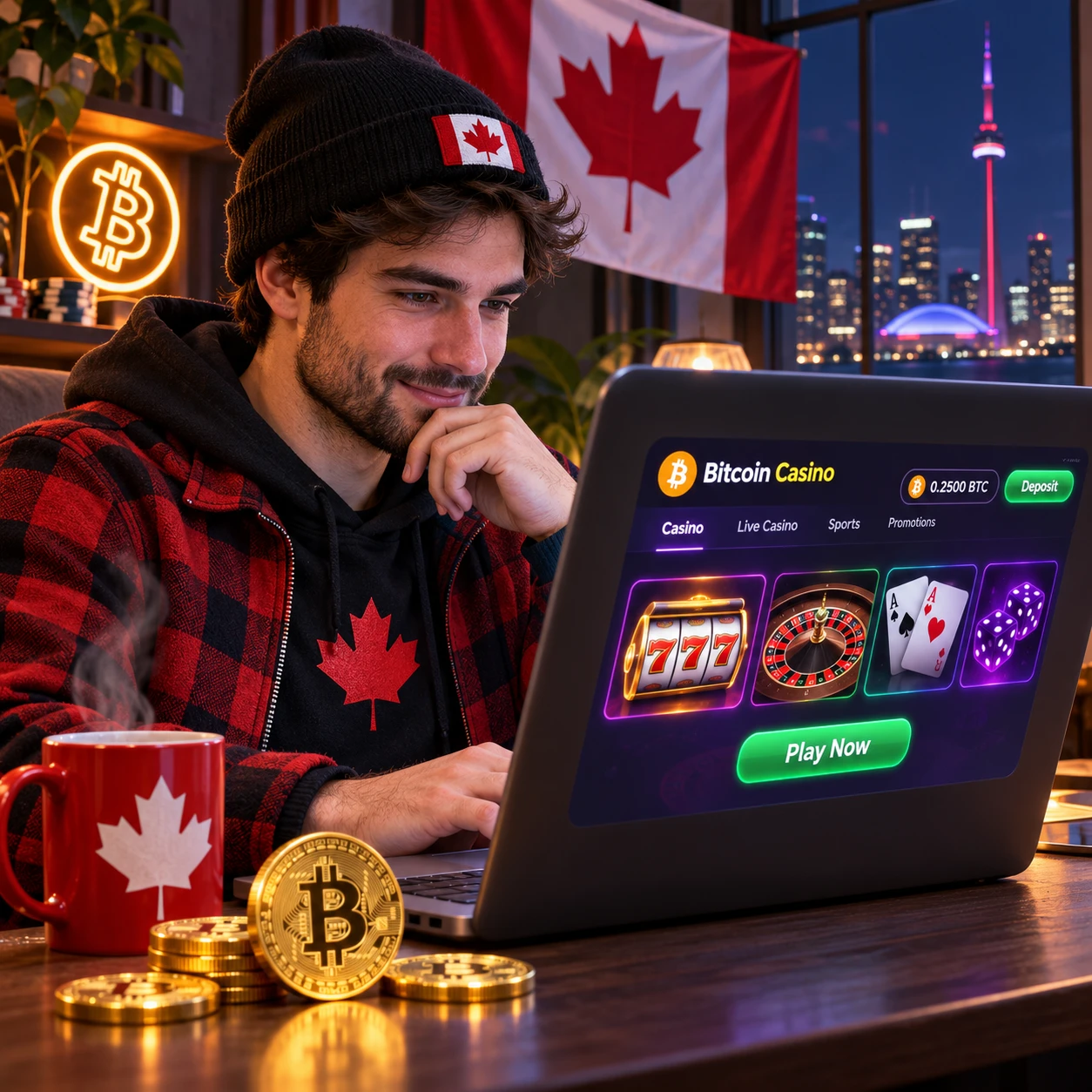
As I've watched the digital entertainment landscape evolve over the past few years, one trend stands out above all others: Canadians are embracing cryptocurrency for online gaming like never before. In 2026, I'm seeing a fundamental shift in how people approach online entertainment, with Bitcoin and other digital currencies becoming the preferred payment method for millions of Canadian players. This transformation isn't just about technology—it's about freedom, privacy, and accessing a new world of gaming possibilities that traditional payment methods simply can't match.
From my perspective as someone deeply immersed in this space, the convergence of cryptocurrency and online entertainment represents one of the most significant developments in Canadian digital culture. Let me walk you through everything you need to know about this exciting frontier.
The Rise of Cryptocurrency in Canada's Online Entertainment Landscape
Canada has emerged as one of the world's leading nations in cryptocurrency adoption, and I've witnessed this growth firsthand. Recent statistics show that over 13% of Canadians now own some form of cryptocurrency in 2026, with a significant portion of these users actively utilizing their digital assets for online entertainment purposes. This represents a dramatic increase from previous years and signals a fundamental shift in consumer behavior.
What fascinates me most is how seamlessly cryptocurrency has integrated into the daily lives of Canadian gamers. The younger demographic, particularly millennials and Gen Z users, view Bitcoin and Ethereum as natural payment options—no different from using a credit card or e-transfer. This generational comfort with digital currencies is driving unprecedented growth in the crypto gaming sector.
Several factors contribute to this surge. The Canadian dollar's fluctuations have made many Canadians more aware of currency value and diversification. Additionally, our country's tech-savvy population and robust internet infrastructure create the perfect environment for cryptocurrency adoption. Major Canadian cities like Toronto, Vancouver, and Montreal have become crypto hubs, with numerous Bitcoin ATMs and businesses accepting digital currencies.

What Are Bitcoin Casinos and How Do They Work?
When I first started exploring this space, I was amazed by how different Bitcoin casinos are from their traditional counterparts. Essentially, a bitcoin casino is an online gaming platform that accepts cryptocurrency as the primary deposit and withdrawal method. Instead of using Canadian dollars through credit cards or bank transfers, players use Bitcoin, Ethereum, or other digital currencies to fund their accounts and collect their winnings.
The operational model is elegantly simple. Players create an account, generate a unique cryptocurrency wallet address through the platform, and transfer their chosen cryptocurrency from their personal wallet to the casino. Games are played using crypto balances, and when you're ready to cash out, winnings are sent directly back to your personal wallet—often within minutes rather than the days or weeks traditional casinos require.
What truly sets these platforms apart from conventional online casinos is the underlying blockchain technology. Every transaction is recorded on an immutable public ledger, creating transparency that traditional casinos simply cannot match. This blockchain foundation enables features that have revolutionized how Canadians approach online gaming.
Key Features That Set Bitcoin Casinos Apart
Through my extensive research and personal experience, I've identified several distinguishing characteristics that make crypto casinos particularly appealing to Canadian players. The concept of 'provably fair' gaming stands at the forefront—this cryptographic algorithm allows players to independently verify the fairness of each game outcome, something impossible with traditional online casinos.
Anonymity represents another major draw. While traditional casinos require extensive personal information, bank details, and identity verification, many Bitcoin casinos allow players to maintain their privacy. You're not required to share your banking information or undergo invasive identity checks for most transactions. For privacy-conscious Canadians, this feature alone makes crypto gaming worth exploring.
Transaction speed is where Bitcoin casinos truly shine. I've experienced withdrawals that arrived in my wallet within 15 minutes—a stark contrast to traditional online casinos where I've waited 5-7 business days for the same process. Deposits are equally rapid, allowing you to start playing almost instantly.
The fee structure also heavily favors cryptocurrency. Traditional casinos often charge 3-5% for credit card processing, plus currency conversion fees for international platforms. Bitcoin transactions typically cost a fraction of this amount, and since cryptocurrency is borderless, there are no conversion fees to worry about.
Legal Status and Regulations for Crypto Gaming in Canada
Navigating the legal landscape of crypto gaming in Canada requires understanding both federal and provincial frameworks. From my analysis of current regulations in 2026, the situation is more favorable than many Canadians realize. While online gaming falls under provincial jurisdiction, the use of cryptocurrency itself is legal throughout Canada, and federal authorities have not prohibited its use for entertainment purposes.
Each province maintains its own approach to online gaming regulation. Some provinces operate government-run platforms, while others take a more hands-off approach to international sites. The key point I always emphasize is that Canadians are not prohibited from using cryptocurrency or accessing international gaming platforms—the regulations primarily target operators rather than individual users.
Tax implications deserve serious consideration. The Canada Revenue Agency (CRA) classifies cryptocurrency as a commodity for tax purposes, and any gains may be subject to capital gains tax. If you purchase Bitcoin at one price and use it when it's worth more, that increase could be taxable. Additionally, gambling winnings themselves may be taxable depending on whether they constitute business income. I always recommend consulting with a tax professional familiar with both cryptocurrency and gaming regulations.
Ensuring platform legitimacy is crucial. I look for casinos licensed by reputable international jurisdictions like Malta, Curaçao, or Gibraltar. These licenses indicate that the platform has met specific operational and security standards, providing Canadian players with important protections.
Benefits of Using Cryptocurrency for Online Entertainment
Having experienced both traditional and crypto-based gaming platforms, I can confidently say the advantages of cryptocurrency extend far beyond simple payment processing. The enhanced privacy I mentioned earlier cannot be overstated—in an era of increasing data breaches and identity theft, the ability to enjoy entertainment without exposing sensitive banking information provides genuine peace of mind.
Financial efficiency represents another compelling benefit. When I used traditional methods, currency conversion fees would quietly eat away 3-4% of every transaction when playing on international platforms. With Bitcoin, I'm dealing with a truly global currency—no conversions necessary. The money I save on fees alone makes cryptocurrency worth using.
Access to international platforms opens up entertainment options that might otherwise be restricted or complicated for Canadian users. Many of the world's most innovative gaming platforms prioritize cryptocurrency users, offering exclusive games, better bonuses, and superior user experiences. By embracing crypto, I've gained access to a much broader entertainment ecosystem.
Bonus opportunities at crypto casinos often exceed what traditional platforms offer. I've noticed welcome bonuses that are 50-100% larger, along with special promotions exclusively for cryptocurrency users. These platforms can afford better bonuses because they save significantly on payment processing costs.
Security and Privacy Advantages
Blockchain technology provides security benefits that traditional payment systems struggle to match. When I make a cryptocurrency transaction, it's secured by advanced cryptography and validated by a decentralized network of computers. This makes fraud, chargebacks, and transaction manipulation extremely difficult—issues that plague traditional online payment systems.
The privacy advantages deserve deeper exploration. With traditional banking, every transaction creates a detailed record connecting your identity to your entertainment choices. Your bank knows exactly where you're spending money. With cryptocurrency, especially when using privacy-focused practices, your financial activity remains your own business. The blockchain records transactions, but these are pseudonymous—linked to wallet addresses rather than real-world identities.
Two-factor authentication and multi-signature wallets add additional security layers unavailable with traditional methods. I use hardware wallets for storing significant amounts, knowing that even if someone compromises my computer, they cannot access my funds without physical possession of my hardware device.
Popular Cryptocurrencies Used by Canadian Gamers in 2026
While Bitcoin remains the most recognized and widely accepted cryptocurrency for online entertainment, I've watched the ecosystem diversify significantly. Ethereum has become my second-most-used crypto for gaming, offering faster transaction times and lower fees than Bitcoin during network congestion. Many platforms now offer Ethereum-exclusive games and promotions.
Litecoin deserves special mention as the 'silver to Bitcoin's gold.' I appreciate its faster block generation time, which means quicker deposit confirmations—typically 2.5 minutes versus Bitcoin's 10 minutes. For players who value speed, Litecoin represents an excellent choice, and its lower price point makes it psychologically easier for new users to acquire.
Bitcoin Cash emerged from Bitcoin's scaling debates and offers even lower transaction fees. I've found it particularly useful for smaller transactions where Bitcoin's fees might represent a larger percentage of the amount being moved. Several Canadian-friendly platforms have embraced Bitcoin Cash for its practical advantages.
Emerging altcoins are gaining traction in 2026. Cryptocurrencies like USDT and USDC—stablecoins pegged to the US dollar—appeal to users who want cryptocurrency's benefits without price volatility. I use stablecoins when I want to maintain a stable account balance without worrying about market fluctuations affecting my entertainment budget.
Best Practices for Safe Crypto Gaming
After years of experience in this space, I've developed a comprehensive approach to safe crypto gaming that I wish someone had shared with me when I started. Platform selection stands as the most critical decision. I research extensively before depositing funds anywhere, checking for valid licenses, reading user reviews on independent forums, and testing customer support responsiveness.
Responsible cryptocurrency management is essential. I never keep large amounts on gaming platforms—only what I intend to use in the immediate future. The rest stays secured in my personal wallet where I control the private keys. This practice has protected me on occasions when platforms experienced technical issues or security breaches.
Understanding wagering requirements prevents disappointment. Many bonuses come with conditions requiring you to wager a certain multiple of the bonus amount before withdrawing. I always read the terms carefully and calculate whether a bonus genuinely provides value or creates unrealistic obligations.
Setting spending limits protects both your financial wellbeing and your enjoyment. I establish monthly entertainment budgets and stick to them regardless of whether I'm winning or losing. Cryptocurrency's ease of use can make it too convenient to spend—discipline is crucial.
Recognizing red flags has saved me from problematic platforms. I avoid casinos with unclear ownership, those lacking proper licensing information, platforms with predominantly negative reviews, and any site requesting unreasonable personal information. If something feels wrong, I trust that instinct and look elsewhere.
Wallet Security and Transaction Safety
The choice between hardware and software wallets significantly impacts your security posture. For small amounts I use regularly for entertainment, I maintain a software wallet on my phone—convenient and accessible. For larger holdings, I exclusively use hardware wallets like Ledger or Trezor. These physical devices store private keys offline, making them virtually immune to online hacking attempts.
Two-factor authentication (2FA) is non-negotiable for any account holding cryptocurrency. I use authenticator apps rather than SMS-based 2FA, as phone-based authentication can be compromised through SIM-swapping attacks. This extra layer of security takes seconds to implement but provides substantial protection.
When conducting transactions with gaming platforms, I follow a careful verification process. I always double-check wallet addresses—cryptocurrency transactions are irreversible, and sending funds to the wrong address means permanent loss. I typically send a small test transaction first, confirm it arrives successfully, then proceed with the full amount.
Keeping software updated is a simple but often overlooked security measure. Wallet software, operating systems, and security applications all receive regular updates that patch vulnerabilities. I enable automatic updates where possible and manually check for wallet updates weekly.
The Future of Cryptocurrency in Canadian Online Entertainment
Looking ahead from our vantage point in 2026, I see tremendously exciting developments on the horizon for cryptocurrency and online entertainment in Canada. NFT integration in gaming is beginning to transform how we think about digital ownership. Imagine winning unique, verifiable digital items that you truly own and can trade or sell independently of the platform where you won them—this is becoming reality.
Central bank digital currencies (CBDCs) represent a fascinating wild card. The Bank of Canada continues researching a digital Canadian dollar, and if implemented, it could bridge the gap between traditional finance and cryptocurrency. I anticipate this might bring more mainstream Canadians into the digital currency ecosystem, ultimately benefiting the entire space.
Mainstream acceptance is accelerating faster than I expected. Major financial institutions that dismissed cryptocurrency just years ago now offer crypto services to clients. This legitimization makes more Canadians comfortable exploring digital currencies for various purposes, including entertainment.
Regulatory clarity should improve throughout 2026 and beyond. As governments worldwide develop more sophisticated understanding of cryptocurrency, I expect more coherent frameworks that protect consumers while allowing innovation. For Canadian users, this likely means increased confidence and security when using crypto for online entertainment.
Technological improvements continue making cryptocurrency more user-friendly. Layer-2 solutions and new blockchain architectures are dramatically reducing transaction costs and increasing speed. The cryptocurrency of 2026 is vastly more accessible than what existed even two years ago, and this trend will continue.
As I reflect on this rapidly evolving landscape, I'm convinced we're still in the early stages of cryptocurrency's integration into online entertainment. The Canadians embracing these technologies now are positioning themselves at the forefront of a digital revolution that will only grow more significant in the coming years. Whether you're a curious newcomer or an experienced user, the intersection of cryptocurrency and online entertainment offers unprecedented opportunities for Canadian players in 2026.